What Google AI Overviews Actually Are
Google will not kill SEO with AI Overviews, but it is reshaping it. The biggest shift is how much information appears directly in the results page before users even consider a click. Anyone weighing the SEO impact of Google AI Overviews needs to treat these summaries as a new search surface, not just a cosmetic change.
AI Overviews are machine-generated answers that sit above or near traditional blue links in Google Search. They draw on multiple web pages and synthesize a short, conversational explanation. Users see a block of text, supporting links, and sometimes follow-up questions they can tap.
Google describes these overviews as "AI-powered snapshots" that help users understand complex topics faster. They rely on large language models, but they still ground responses in content from the open web. That means your site can appear as a cited source inside the overview, even when the user never scrolls to regular results.
Under the hood, AI features such as AI Overviews and AI Mode use a process Google calls query fan-out. The system breaks a single question into several sub-queries, then calls the search engine for each part. It then merges the pieces into one generated explanation.
From an SEO strategy perspective, AI Overviews matter because they change which pages the model sees as authoritative. Google's documentation is clear that there is no special AI schema. Instead, it still relies on standard signals.
Visible, high-quality on-page content that answers the query in depth
Standard structured data, such as schema.org markup, correctly implemented
Clear page purpose, topical focus, and strong internal linking
Evidence of real-world experience, like case studies or first-hand reviews
SEO teams who treat AI Overviews as a separate algorithm miss the point. The same fundamentals apply, but the reward now includes prominent inclusion inside the overview box, not only a higher blue-link ranking.
How AI Overviews Are Built and Displayed
Google's AI system starts by expanding the user's question into several related sub-queries. It then pulls candidate pages, extracts key passages, and generates a synthesized explanation. The model grounds its text in those passages to reduce hallucinations. Finally, the interface shows a short answer, with cards or links pointing to the original sources that informed the response.
Where AI Overviews Appear in the SERP
AI Overviews usually appear near the top of the search results, often above the first organic listing. On some queries they push traditional results far below the fold, especially on mobile screens. In other layouts they appear slightly lower, near People Also Ask. Placement varies by intent and risk level, so health or financial topics often show a more conservative layout.
The Click Decline: What the 2026 Data Shows
Traffic loss from AI Overviews is real, but uneven. Independent 2026 analyses from tools like Semrush and Ahrefs report that when an AI Overview appears, the top three organic results lose roughly 30-50% of click-through rate compared with similar queries without an overview. That range comes from multiple data sets, not one isolated study.
These studies look at large query samples and compare CTR distributions. They consistently show that informational searches suffer the steepest drops. Users often find enough information inside the AI block and never scroll. Navigational and transactional queries show much smaller changes, because people still need to reach a specific brand, product, or checkout page.
Consider a query like "how to calculate customer lifetime value in SaaS." In 2023, a detailed blog post or calculator might capture a strong share of clicks from position one. In 2026, an AI Overview explains the formula, lists the variables, and links to a couple of authoritative guides. Many users stop there.
Now compare that with "HubSpot login" or "buy Notion project management plan." AI Overviews rarely appear, and even when they do, users still click the brand or product result. The intent is to reach a destination, not to read a synthesized explanation.
Stackmatix analysis highlights that informational queries trigger AI Overviews roughly 39% of the time, while navigational intent sees them only around 12%. Transactional intent sits closer to navigational than informational. This gap explains why publishers with content-heavy, top-of-funnel strategies feel more pain than pure ecommerce brands.
Informational: "what is zero touch onboarding" - high overview presence, larger CTR drop
Navigational: "Asana pricing" - low overview presence, brand still wins the click
Transactional: "buy CRM for small business" - mixed layouts, but strong commercial results remain
Mixed: "best CRM for startups" - overview plus lists, affiliate pages lose some share
Anyone claiming that "SEO is dead" ignores this segmentation. The data shows a major reallocation of clicks across query types, not the end of organic traffic.
Click-Through Rate Trends Across Real Query Sets
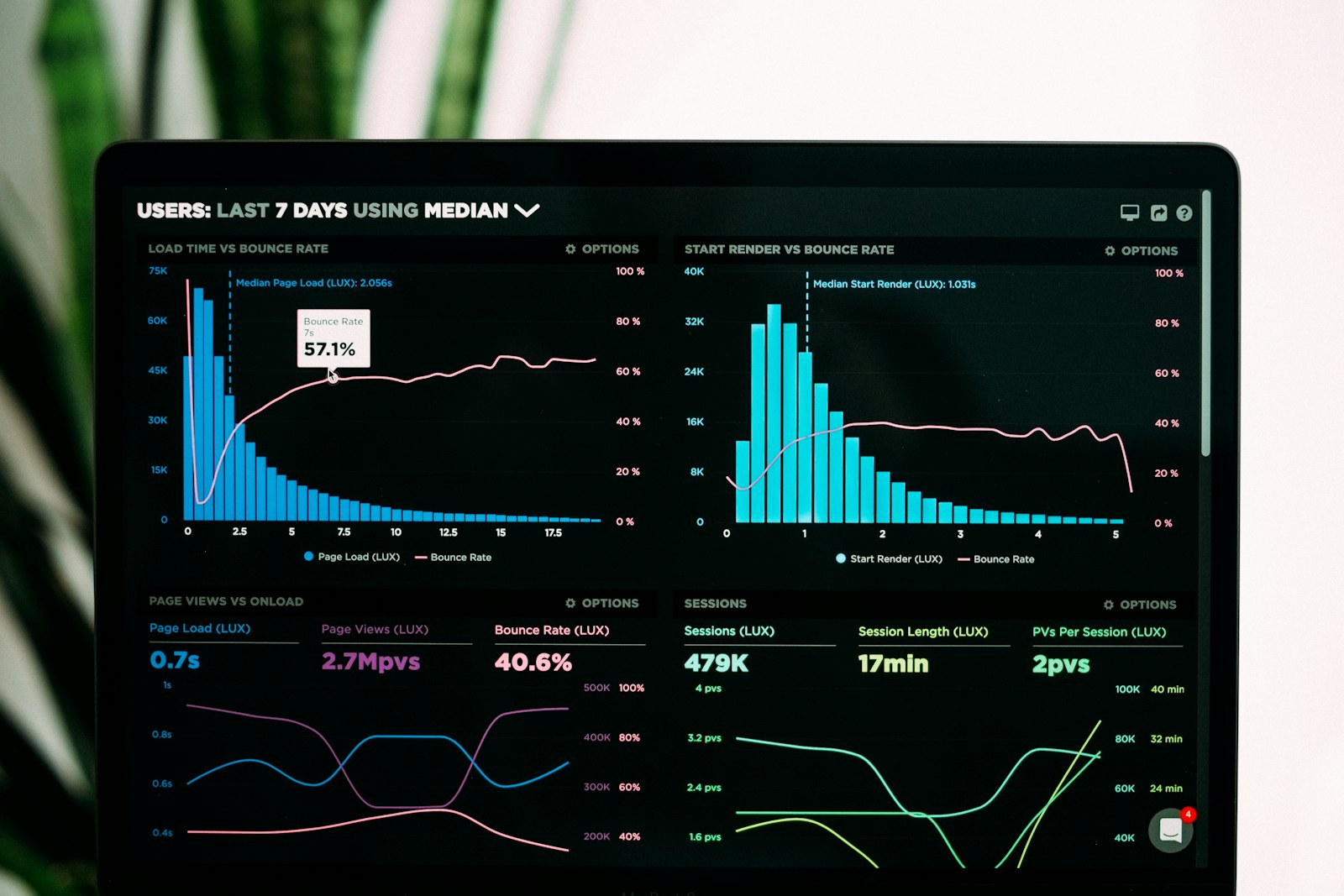
When analysts compare matched query sets, a clear pattern emerges. Queries with AI Overviews show significantly lower CTR for the first three organic positions than those without overviews. The 30-50% range reflects different verticals and keyword mixes. Highly commoditized informational topics tend to sit at the upper end of that loss band, while niche B2B queries sit closer to the lower end.
Which Query Types Lose the Most Traffic
Informational queries that ask for definitions, steps, or quick explanations lose the most traffic. Users get concise answers directly in the AI block and feel no need to click. "How," "what," and "why" searches suffer the biggest hit. Navigational and transactional queries, where users want a specific site or product, keep far more of their historical click profile.
What Still Earns Clicks in the AI Overview Era
Despite the click squeeze, some content types perform better than ever. Google's AI optimization guidance stresses that non-commodity content wins citations and attention. That includes first-hand experience, original data, and proprietary analysis that generic articles cannot match.
Think of a SaaS company publishing benchmark reports from its own anonymized usage data. An AI Overview might summarize general best practices, but it cannot invent your proprietary dataset. When the model looks for concrete numbers or examples, it must rely on pages that actually contain them.
Google explicitly states that AI features favor content with clear evidence of real-world experience. That can mean founder stories, detailed implementation case studies, or experiments with specific tools. Pages that simply restate what already exists on the web add little new signal, so they rarely appear as cited sources.
From a practical SEO standpoint, the winning approach is to design content that either answers complex, multi-step problems or offers something the model cannot synthesize from public information alone. This shift rewards brands that invest in research, product data, and expert commentary.
Content that still earns consistent clicks in this environment usually fits one or more patterns.
Deep how-to guides that include screenshots, tools, and edge cases
Original research with charts, data tables, or benchmark ranges
Interactive tools and calculators that users need to engage with
Opinionated frameworks from recognized experts or brands
The most important strategic takeaway is simple: treat AI Overviews as a filter that removes thin, derivative articles. If your pages contribute something unique, you still win both citations and direct traffic.
Content AI Overviews Cannot Replace
AI Overviews struggle to replace interactive or highly contextual experiences. Calculators, configuration tools, and product demos still require a click to your page. Likewise, nuanced buying decisions often push users to in-depth comparison pieces, testimonial collections, or pricing breakdowns. The model can summarize options, but it cannot replicate live tools, gated assets, or hands-on walkthroughs tailored to a specific product stack.
How to Become a Cited Source
To earn citations inside AI Overviews, focus on being the origin, not the echo. Publish first-hand experiments, proprietary benchmarks, and detailed implementation stories. Use clear headings, concise summaries, and structured data so Google can parse your content. Then strengthen authority with internal links and relevant external mentions. Over time, the model learns to treat your domain as a dependable signal for that topic cluster.
Measuring AI Visibility in Search Console
You cannot manage what you cannot measure, so tracking AI visibility is now essential. Since 2026, Search Console includes dedicated generative AI performance reports. These show impressions and clicks coming specifically from AI surfaces, including AI Overviews and AI Mode. That makes Search Console the correct place to baseline AI visibility, rather than guessing from third-party tools alone.
Within these reports, you can segment by query, page, and country, just as with traditional performance data. The key difference is the surface filter. You can isolate generative AI impressions to see which topics the model already associates with your site. This view often looks very different from your classic top queries list.
Consider a B2B SaaS blog that ranks well for "CRM implementation checklist" but barely appears in AI Overviews. Search Console may reveal that most AI impressions cluster around a separate theme, such as onboarding or churn reduction. That insight should guide content planning and internal linking.
Google's documentation also emphasizes that AI features still rely on visible content and structured data. You do not tag a page as "AI-eligible." Instead, you optimize the same fundamentals and then watch the generative AI reports for confirmation that the system picked up your improvements.
To make this actionable, SEO teams should integrate AI performance data into their regular reporting cycles.
Track AI impressions and clicks by topic cluster or product line
Compare AI CTR with classic organic CTR for the same queries
Identify pages with high AI impressions but weak click share
Monitor new AI queries that signal emerging demand or language
Over time, this view helps you understand not just rankings, but how often your brand appears inside the generated answers that sit above those rankings.
Reading the 2026 Generative AI Performance Reports
When you open the generative AI performance section, start with queries, then move to pages. Look for topics where AI impressions grow but clicks lag. That gap often signals that you earn citations but lack compelling calls to action or rich content on the landing page. Use filters to compare branded versus non-branded demand across AI surfaces.
Building an AI-Era KPI Set Beyond Clicks
Traditional SEO dashboards fixate on sessions and rankings. In the AI era, you also need KPIs for assisted visibility. Track AI impressions, citation share for key topics, and downstream actions like demo requests or trial signups. Some queries may deliver fewer clicks but better-qualified users. Your reporting should reflect contribution to revenue, not just raw traffic counts.
Your 2026 Adaptation Checklist
Surviving AI Overviews is not enough; strong brands use them to sharpen their positioning. A structured adaptation plan helps you respond faster than slower competitors who still argue about whether SEO is "dead." This checklist focuses on actions a lean team can execute in months, not years.
The first mindset shift is to treat AI Overviews as another distribution channel. Instead of chasing only position one, you also aim to become the default citation for your topic. Google's guidance around non-commodity content gives a clear roadmap: invest in first-hand experience, original data, and expert interpretation that generic writers cannot copy.
Next, align your content roadmap with intent segments. Informational queries will keep losing some clicks, but they still build awareness and authority. Navigational and transactional queries remain critical for revenue capture. Your strategy should map specific page types to each intent band, then measure both organic and AI visibility for those clusters.
Teams often underestimate the operational changes this requires. You may need closer collaboration between product, data, and content to source proprietary insights. Sales and customer success can contribute real stories that strengthen experience signals. Technical SEO still matters, but it no longer carries weak content across the finish line.
Use the checklist below as a living document you revisit each quarter. The items are grouped to reflect both quick wins and deeper structural shifts.
Audit existing content for originality and experience signals
Map queries by intent and AI Overview presence
Set up generative AI performance reporting in Search Console
Prioritize new assets that include proprietary data or tools
Refine internal linking around topic clusters, not single posts
The companies that thrive will be those that accept reduced easy traffic and double down on content that AI needs, not content AI can replace.

Quick Wins in the First 30 Days
Start with a focused audit of your top 50 organic pages. Identify which ones already appear in AI Overviews using Search Console's generative AI reports. Then add clear summaries, FAQs, and schema to those pages to strengthen their eligibility. Finally, update internal links so that related articles point users and crawlers toward these priority assets.
Structural Changes That Take a Quarter
Over a quarter, shift your publishing cadence toward fewer but more substantial pieces. Build a recurring research asset, such as an annual benchmark or pricing study. Align content, product marketing, and data teams around shared topic clusters. Implement a governance process so every major article includes first-hand experience, clear author expertise, and structured data that helps Google understand its role.
Frequently Asked Questions
What is the impact of Google AI Overviews on SEO?
Google AI Overviews reduce organic clicks for many informational queries but do not eliminate SEO. Studies from Semrush and Ahrefs show 30-50% CTR losses for top positions when overviews appear. However, navigational and transactional searches remain more resilient, and high-quality, original content can still attract clicks and citations.
How have click-through rates changed due to AI Overviews?
Click-through rates for top organic results drop significantly when AI Overviews appear. Multiple 2026 analyses report roughly 30-50% lower CTR for the first three positions compared with similar queries without overviews. The steepest declines occur on generic informational searches where users find enough information inside the AI block.
Which types of queries are most affected by AI Overviews?
Informational queries are most affected by AI Overviews. Stackmatix data indicates they trigger overviews about 39% of the time, while navigational queries do so around 12%. Transactional intent tends to behave closer to navigational, so ecommerce and brand searches keep more of their traditional click patterns.
What kind of content still earns clicks in the AI era?
Content that offers non-commodity value still earns clicks. That includes first-hand experience, original datasets, proprietary tools, and deep implementation guides. Google's AI guidance favors pages that add unique evidence or expert insight, so thin summaries of existing information lose ground while research-driven and interactive assets gain relative strength.
How can I measure AI visibility in Search Console?
You measure AI visibility using the generative AI performance reports in Search Console. These reports, available since 2026, separate impressions and clicks from AI surfaces like AI Overviews. By filtering queries and pages, you can see which topics already earn citations and where you need stronger content or better calls to action.
What checklist should I follow to adapt to AI Overviews?
Follow a checklist that combines quick audits with structural changes. In the first month, identify AI-exposed pages, improve their clarity, and add schema. Over a quarter, shift your roadmap toward original research, tools, and expert-driven content, while aligning reporting around AI impressions, topic-level visibility, and revenue impact rather than raw traffic alone.
For the rest of the picture: the 7 fundamental rules for Google's first page covers the classic groundwork that still applies, and our SERP analysis guide shows how to see which competitors win the AI Overview slot.