Ranking on the first page for a keyword is the threshold of digital visibility. Research consistently shows that the majority of users never advance to the second page of search results. The real goal of SEO is therefore not just ranking, but breaking into the top ten. The seven rules below summarize, in priority order, the practices that deliver the highest return toward that goal.
1. Match search intent precisely
Google's primary job is to satisfy the real need behind a user's query. A query can be informational, commercial, navigational, or transactional — each demands a different content format. A how-to query calls for a step-by-step guide, a "best" query for a comparison list, and a product query for a category page. The first prerequisite for reaching page one is to examine the current top ten results for your target query, identify the dominant content format, and align your content with it.
2. Deepen your content with topical authority
Thin content focused on a single keyword can no longer hold a spot on the first page. Google rewards in-depth, original content that covers every subtopic of a subject. Approach your target topic with a cluster architecture of pillar (core) and cluster (supporting) pages. YouContent360's term extraction engine analyzes top-ranking SERP pages and lists the semantic terms missing from your content in priority order — so you close coverage gaps with data rather than guesswork.
3. Strengthen your technical SEO foundations
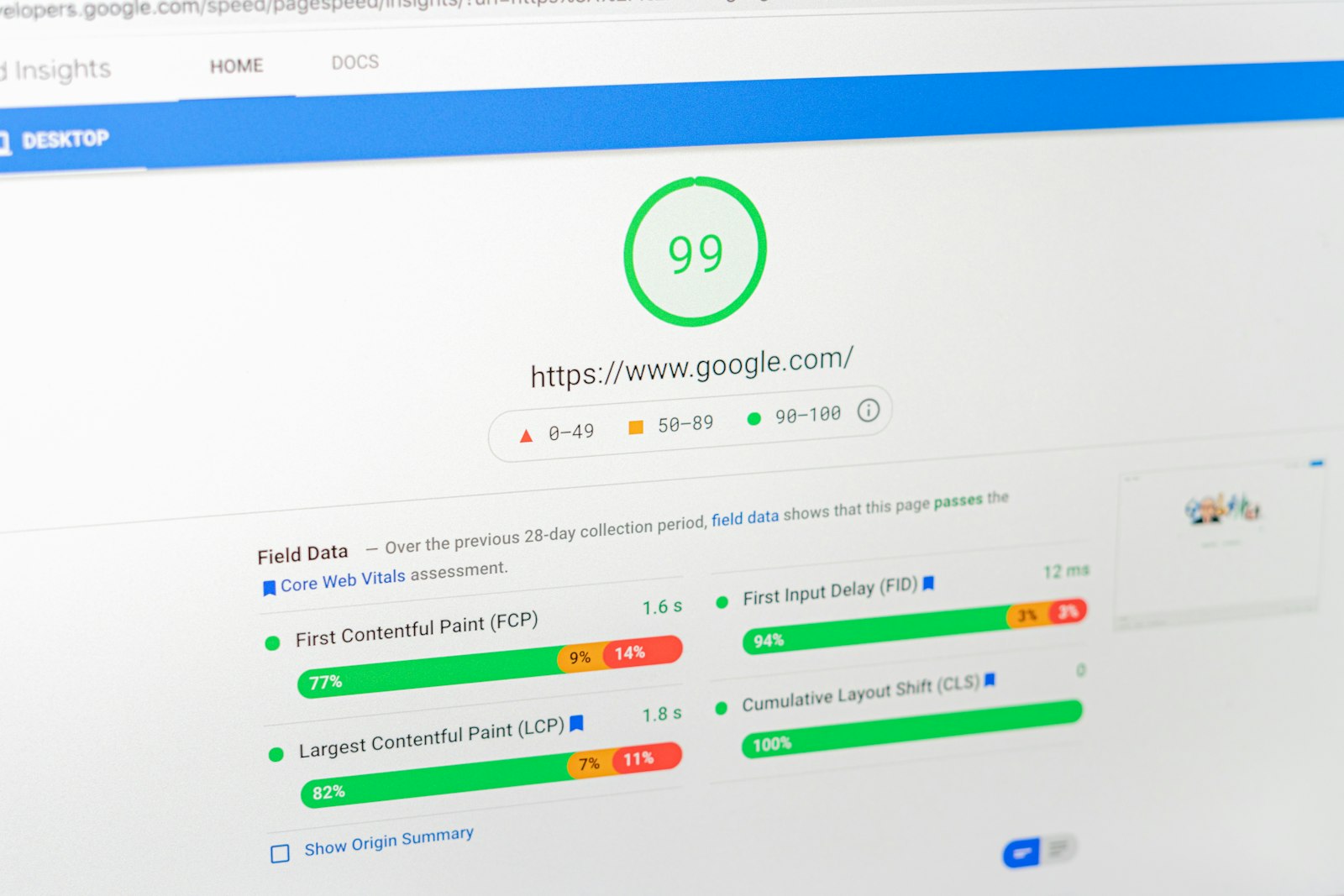
Even excellent content cannot reach the first page through a technical roadblock. First, make sure your page is crawlable and indexable; robots.txt, canonical tags, and the XML sitemap must be configured correctly. Core Web Vitals metrics — LCP, INP, and CLS — are a direct ranking factor. Mobile compatibility is no longer negotiable: Google applies mobile-first indexing. Measure page speed, image optimization, and server response time regularly.
4. Strengthen your E-E-A-T signals
Experience, Expertise, Authoritativeness, and Trustworthiness (E-E-A-T) is Google's framework for evaluating content quality. These signals are especially decisive in YMYL areas such as health, finance, and law. Genuine author bios, corporate about pages, references to reliable sources, and a visible last-updated date all generate strong trust signals. Every external signal that establishes your brand as a recognized entity in your industry directly improves your first-page odds.
5. Build trust with authoritative links
Backlinks remain one of the strongest ranking factors. But here quality matters, not quantity: a single link from a relevant, authoritative site is worth more than dozens of low-quality links. Earn these links naturally by producing original research, data visualizations, and industry insights. Internal linking is equally critical: connecting the pages in your topic cluster with meaningful anchor text distributes link authority across your entire site.

6. Optimize titles and meta descriptions for clicks
Reaching the first page is half the job; the other half is getting clicked. Your title tag and meta description are the ad copy the user sees in the SERP. Place the target keyword at the start of the title, add a concrete benefit promise, and keep the title under 60 characters. A low click-through rate erodes your ranking over time, because Google interprets user engagement as a quality signal. YouContent360's meta tag generator suggests click-worthy title and description variants based on SERP competition.
7. Keep content fresh with regular updates
SEO is not a publish-once-and-forget effort. Google uses content freshness — especially for fast-changing topics — as a ranking signal. Review even your first-page content every six months: refresh outdated statistics, fix broken links, add new developments, and rewrite sections whose performance has declined. Regular updating is the most economical way to defend the rankings you have earned and prevent competitors from overtaking you.
These seven rules are not independent tactics but an integrated system. Content that is aligned with search intent, technically sound, backed by authority, and regularly updated earns a sustainable place on the first page. When prioritizing, use data to identify the rule where you are weakest, and begin your improvements there.
Two of these steps are subjects in their own right: 5 effective ways to rank higher in the SERP covers how to read competitor pages, and our guide to semantic SEO covers how to choose the terms.