What actually changed in brand discovery
The debate around ChatGPT vs Google Search often hides a deeper shift in how people discover brands. Users no longer move in a neat funnel from awareness to purchase. They bounce between social feeds, AI assistants, search results, and direct brand interactions. Discovery now looks like a messy web of touchpoints instead of a straight line.
One major change comes from how people phrase questions. They type short keywords into the Google search engine, yet they talk to ChatGPT in full sentences. That shift in language changes which brands appear, which pages matter, and how content teams need to write. It also pushes companies to think beyond classic keyword lists and toward intent clusters.
Equally important, AI layers now sit on top of the open web. Google AI Overviews, Google AI Mode, Bing Copilot, and ChatGPT all pull from public pages. They remix that information into conversational answers. The surface of discovery has moved from a list of blue links to synthesized responses that may only cite a few brands.
For marketers, this means brand discovery splits into at least three realities. Users still rely on traditional search results. They also lean on AI summaries that compress research. Finally, they receive brand cues from social platforms and creator content. Each channel rewards different signals, yet all of them feed on the same underlying content and data.
Consider a user shopping for a new running shoe. They may start on Google, skim a few reviews, then ask ChatGPT for a summary, and finally watch a YouTube comparison. That single decision path touches multiple engines and models. Brands that only optimize for one surface lose visibility during key micro-moments in that journey.
Marketing and SEO leads now need a portfolio mindset. They must understand that while Google still dominates navigational intent, AI assistants shape perceptions during research and evaluation. The real change is not that one channel replaces another, but that discovery spreads across many overlapping layers.
Two machines answering the same question
Imagine a user asking, "What is the best CRM for a small B2B SaaS startup?" Google runs that query through its search engine stack. It ranks pages, ads, and review sites, then shows a results page with many options. The user must click, compare, and synthesize.
ChatGPT, by contrast, composes a single conversational answer. It draws on patterns from training data and, in some modes, from live web sources. The user receives a narrative overview, often with pros, cons, and next steps. Both machines respond to the same need, yet they shape discovery in very different ways.
Why asking which one wins is the wrong question
Marketing teams often ask whether ChatGPT will kill Google search. That framing misses how users blend both tools in one decision. People still want independent pages and reviews, yet they also want fast synthesis.
The better question asks where each system holds the most influence. Google still controls many first clicks to brand sites. ChatGPT increasingly shapes what users believe before they ever search. Smart brands design strategies that assume users will consult both. The goal is not to pick a winner, but to appear credibly in every influential answer path.
How Google and ChatGPT answer the same query
When a user types a question, Google and ChatGPT follow very different internal routes. Google treats that input as a search query. It uses ranking signals, link patterns, and page content to decide which URLs to show. ChatGPT treats the same text as a prompt. It uses a large language model to generate an answer in natural language.
Google now includes AI Overviews and AI Mode on top of classic results. Google describes AI Mode as using query fan-out. It breaks one question into several related sub-queries, runs searches for each, then assembles an answer from those results. That fan-out behavior means Google may see more of your site than a single keyword suggests.
At the same time, Google’s documentation states there is no special schema or separate optimization channel for these AI features. The same content quality, indexing, and technical foundations that power regular Search also support AI Overviews and AI Mode. Brands cannot tag their way into those boxes. They must earn it with depth, clarity, and distinct value.
ChatGPT follows a different path. It relies on its trained model and, depending on mode, live browsing or integrated search. It composes answers that feel human, often blending explanation, steps, and examples. While ChatGPT may reference sources, users primarily see the narrative, not a ranked page list. That narrative shapes trust in a subtle yet powerful way.
Google’s AI optimization guidance tells publishers to produce non-commodity content. That means material with unique information, first-hand experience, or original analysis. Generative surfaces select and cite this kind of content more often, because it offers something beyond generic summaries. ChatGPT tends to favor the same traits when it surfaces or paraphrases web pages.
In practice, a query like "how to create a SaaS onboarding email sequence" plays out differently on each platform. Google shows blog posts, templates, and YouTube videos. ChatGPT might generate a full email sequence on the spot. Both experiences rely on robust web content. However, only one sends the user directly to your site on the first interaction.
Google ranks pages, ChatGPT composes an answer
Google’s core job is ranking. It evaluates which pages best match a query and user intent. Then it orders them into a results page that balances relevance, freshness, and other signals. Users decide where to click and how deep to go.
ChatGPT’s core job is composition. It turns a prompt into a coherent response using its language model. It might browse the web to ground facts, yet it still returns one synthesized answer. Users judge the usefulness of that response more than the underlying sources.
Where the two surfaces now overlap
The overlap between Google and ChatGPT grows every month. Google adds generative summaries on top of standard results. ChatGPT integrates browsing and search partners to anchor its answers. Both systems now work as hybrid engines that mix retrieval with generation.
This overlap means the same piece of content can influence multiple surfaces. A strong product comparison page might feed Google’s AI Overviews, inform ChatGPT’s answer, and still rank as an organic result. Brands that invest in deep, original pages gain leverage across all these overlapping layers.

Query type decides the platform, not preference
When leaders discuss ChatGPT vs Google Search, they often speak in absolutes. In reality, the query type usually decides which platform dominates a moment. People do not treat all questions the same. They instinctively choose the tool that fits the job.
Broadly, queries fall into several intent buckets. Each bucket leans toward a different discovery surface. Understanding these buckets helps brands decide where to focus optimization and what content formats to prioritize.
- Navigational and branded queries
- Transactional and commercial queries
- Comparison and research queries
- Exploratory and open-ended queries
- Local and time-sensitive queries
Take navigational intent. When someone types "Figma login" or "Shopify pricing", they want to reach a specific site. Google search remains the default here. Users trust it to route them quickly to the right page. ChatGPT plays a minor role, except when people ask for explanations of brand offerings.
Research and exploratory intent tell a different story. A founder might ask ChatGPT, "How should I structure a B2B SaaS sales team at 50 employees?" That question feels natural in a conversational assistant. The user expects a synthesized playbook, not a list of links. Google still matters, yet the first impression may now come from an AI summary.
Marketing leads should map their key queries to intent buckets. Then they can align channels to those buckets. This approach avoids blanket statements like "we must rank for everything" or "we should move all content to AI use cases." It leads to a more precise and defensible strategy.
Navigational and branded queries
Navigational queries point to specific brands or sites. Examples include "Notion templates", "Adobe Creative Cloud login", or "Nike membership". Users expect the Google search engine to return the official site, key landing pages, and perhaps a knowledge panel.
Brands win here by owning their SERP real estate. That means strong technical SEO, clear site structure, and consistent naming across web properties. ChatGPT may still answer brand questions, yet most users click straight from Google to the destination they already trust.
Transactional and commercial queries
Transactional queries show clear purchase intent. Phrases like "buy noise cancelling headphones", "best price for iPhone 16 case", or "hire PPC agency" fall in this bucket. While Google still handles a large share of these, AI assistants now influence shortlists.
ChatGPT often appears when users want help choosing among many options. It can outline criteria, suggest categories, or highlight trade-offs. Brands benefit by having detailed, comparison-ready content that AI models can draw from. However, product pages, reviews, and marketplaces on the open web still anchor final purchase steps.
Comparison and research queries
Comparison queries sit in the messy middle of the journey. People search for phrases like "HubSpot vs Pipedrive", "Klaviyo alternatives", or "in-house vs agency SEO". These questions invite deeper analysis and multiple viewpoints.
ChatGPT excels at turning such prompts into structured breakdowns. It can list pros, cons, and use cases in one answer. Google, meanwhile, surfaces vendor comparison pages, analyst reports, and community reviews. Brands that publish honest, nuanced comparisons often influence both surfaces at once.
Exploratory and open-ended queries
Exploratory queries sound like conversations. Someone might ask, "How can a DTC skincare brand expand into wholesale without losing margin?" That style fits naturally inside ChatGPT. Users want ideas, frameworks, and step-by-step guidance.
Google can still support these needs, yet users must click through several pages to assemble a complete view. While ChatGPT compresses the research, it still draws from articles, case studies, and guides on the internet. Brands that share in-depth playbooks and real stories give AI systems richer material to work with.
Local and time-sensitive queries
Local intent covers searches like "coffee near me", "emergency dentist London", or "best tacos Brooklyn". Time-sensitive queries include "train delays today" or "Apple event live stream". Google has long optimized for this mix of local and news-driven needs.
ChatGPT can answer some of these questions when it has live browsing, yet users often prefer map packs, opening hours, and rich snippets. Local SEO, Google Business Profiles, and structured data still drive most outcomes here. AI assistants may help with context, but the final action usually flows through search results and map interfaces.
The routing table: query type, platform, and what to optimise
To move beyond theory, marketing leaders can treat their strategy like a routing table. Each query type routes to a primary surface, with a clear optimization focus. This approach turns ChatGPT vs Google Search into a practical planning tool rather than a philosophical argument.
The most important idea here is simple. Your optimization target follows intent, not channel fashion. If most users still start transactional queries in Google, you prioritize product SERP coverage. If they lean on ChatGPT for strategic questions, you prioritize quotable thought leadership.
The table below outlines a practical starting map for brands. It links intent types to the platform that usually leads and to the kind of optimization that matters most there.
| Query type | Primary surface | Brand focus |
|---|---|---|
| Navigational | Technical SEO, brand SERP | |
| Transactional | Product pages, reviews | |
| Comparison | Both | Honest comparison content |
| Exploratory | ChatGPT | Deep guides, playbooks |
| Local/time-sensitive | Local SEO, freshness |
This routing table should not stay static. Teams can refine it using Search Console, analytics, and customer interviews. Google reports AI Overviews and AI Mode activity inside the standard Search Console Web Search performance report, so AI impressions blend with regular ones. Bing Webmaster Tools, by contrast, now offers an AI Performance report in public preview for Copilot exposure.
Brands can also analyze prompts collected by sales teams, support tickets, and community channels. Those real questions often mirror how people talk to ChatGPT. When leaders see clusters like "how do we" or "what is the best way to", they can map those to exploratory and research content. That content then feeds both AI answers and long-tail organic traffic.
The routing mindset keeps teams from chasing every shiny feature. Instead, they ask, "For this intent, which surface controls the moment, and what content or technical work best supports it?" Over time, this yields a balanced investment across search, AI assistants, and owned experiences.
What visibility means on each surface
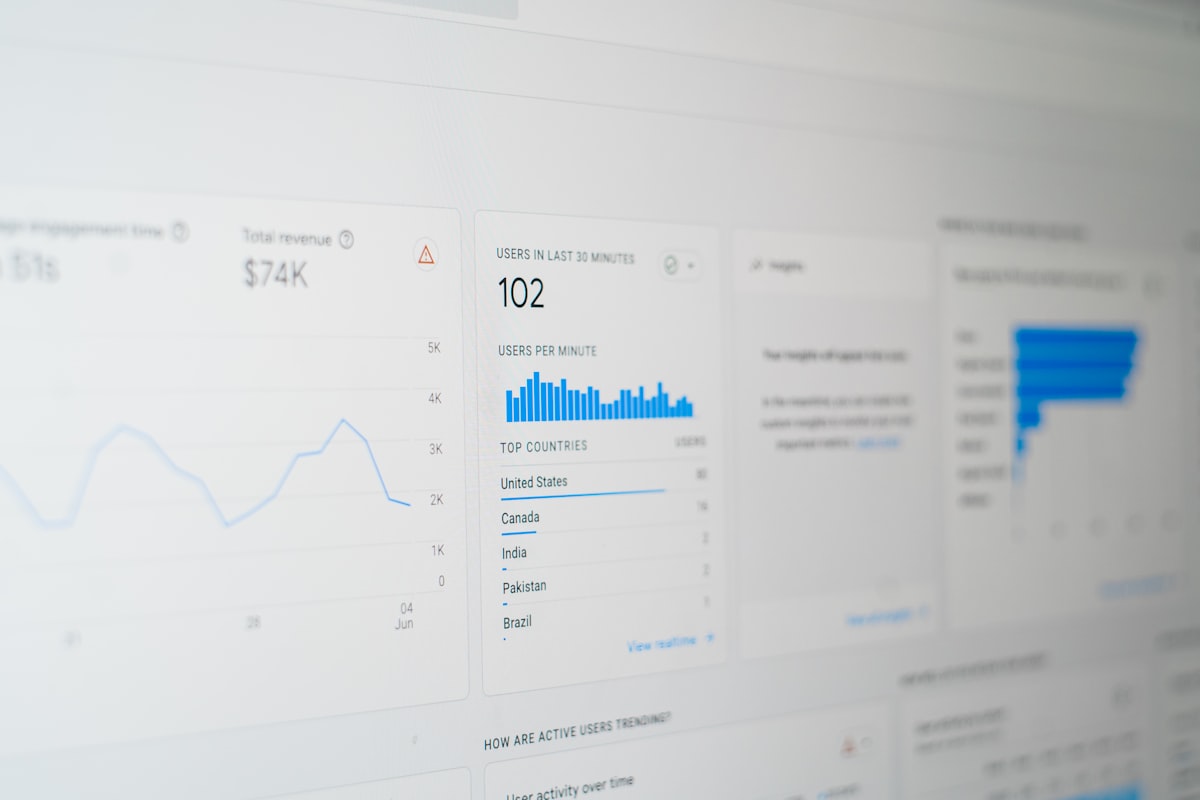
Visibility used to mean ranking in the top three positions on a Google search results page. In 2026, visibility also includes appearing inside AI summaries, being named in conversational answers, and shaping the frameworks that decision makers use. The meaning of "we are visible" has become more layered.
On Google, visibility still centers on rankings, rich results, and local packs. Technical health, crawlability, and on-page clarity remain critical. Google’s documentation emphasizes that there is no special markup for AI features. The same technical and quality foundations determine whether pages show in classic results and AI Overviews.
On ChatGPT and similar assistants, visibility looks different. A brand may not get a click, yet its ideas, frameworks, or product categories might appear in the answer. Being quotable matters as much as being clickable. That pushes content teams to write with clear, attributable statements that models can lift cleanly.
Consider a detailed guide on "how to forecast SaaS revenue". In Google, success might mean ranking in the top three and earning featured snippets. In ChatGPT, success might mean the model uses the guide’s structure when explaining revenue cohorts, even if it paraphrases the text.
A practical approach uses three layers of measurement. Brands track classic SEO metrics, AI surface mentions where tools allow, and downstream business impact like demo requests or trial signups. They also review whether their language and concepts show up in how customers talk, which hints at influence beyond direct traffic.
Marketing leads need to update dashboards and KPIs accordingly. If teams only measure clicks, they may undervalue content that heavily influences AI answers. That influence can still shorten sales cycles or raise brand authority in buyer conversations, even when analytics show modest direct visits.
Being findable in Google
To be findable in Google, brands need solid technical foundations and clear information architecture. Clean URLs, fast pages, and well-structured internal links help crawlers understand the site. Descriptive titles, headings, and meta descriptions guide users and engines toward the right content.
Google’s own guidance for AI features reinforces long-standing SEO basics. There is no separate markup for AI Overviews. Content that loads reliably, covers topics in depth, and reflects real expertise tends to perform better in both classic and generative results. Being findable still starts with doing the fundamentals well.
Being quotable in ChatGPT
Being quotable in ChatGPT requires a different lens. Brands must craft content that language models can easily extract, paraphrase, and attribute. Clear definitions, numbered frameworks, and explicit recommendations help. Vague marketing copy rarely survives into AI answers.
Non-commodity content matters here. When a brand shares first-hand experience, proprietary frameworks, or specific case studies, it gives models something distinctive to use. That distinctiveness increases the chance that ChatGPT will echo the brand’s ideas when users ask related questions.
The work that pays on both surfaces
Some investments benefit both Google and ChatGPT at once. Long-form guides with strong headings, original insight, and practical examples often rank well and feed AI summaries. Structured data can help Google understand entities, while clear prose helps language models interpret nuance.
Teams can prioritize content that answers real questions in depth. They can support that content with solid technical hygiene and internal linking. This combination gives search engines rich material to index and gives AI systems robust context to draw from. One piece of work then multiplies across several discovery surfaces.
Where a brand should start this month
Marketing leaders do not need a complete overhaul to respond to these shifts. They can start with a focused, one-month project. First, map their top fifty queries by intent type using real customer language. Next, compare current coverage across Google rankings, on-site content, and AI answers where visible.
From that map, they can pick one high-value intent bucket, such as comparison queries in a key category. Then they can create or upgrade a flagship piece of content tailored to that bucket. Finally, they can fix any technical issues that block Google from fully indexing that asset. This tight loop builds momentum without overwhelming teams.
Frequently Asked Questions
Can ChatGPT replace Google Search for a brand?
No, ChatGPT will not fully replace Google Search for most brands. Users still rely on Google for navigation, local results, and many transactions. ChatGPT instead reshapes research and planning stages, so brands must support both surfaces.
Which queries should a brand optimise for ChatGPT?
Brands should prioritize exploratory, research, and comparison queries for ChatGPT. These prompts often start with "how", "why", or "which option". Deep guides, frameworks, and case studies give ChatGPT richer material, increasing the chance that your expertise appears in its answers.
Does ranking well in Google help a brand appear in ChatGPT?
Ranking well in Google often correlates with being useful to ChatGPT, but it is not a guarantee. Both systems value clear, expert content, yet ChatGPT also relies on its model training and browsing behavior. Non-commodity, experience-based pages tend to help across both.
How is ChatGPT search different from Google AI Overviews?
ChatGPT acts as a conversational assistant, while Google AI Overviews sit on top of normal results. Google uses query fan-out to build those summaries from multiple searches. ChatGPT focuses more on dialogue and may blend web data with broader model knowledge.
Do brands lose traffic when people search inside ChatGPT?
Some clicks may shift from websites to AI answers, especially for simple informational queries. However, strong content can still influence those answers even without direct visits. Brands should track business outcomes, not just raw traffic, when judging impact.
How should a brand measure visibility across both platforms?
Brands should combine Search Console data, Bing Webmaster Tools AI reports, and qualitative monitoring of AI answers. They can track rankings, impressions, and AI mentions alongside leads or sales. This blended view shows both direct traffic and indirect influence from generative systems.